
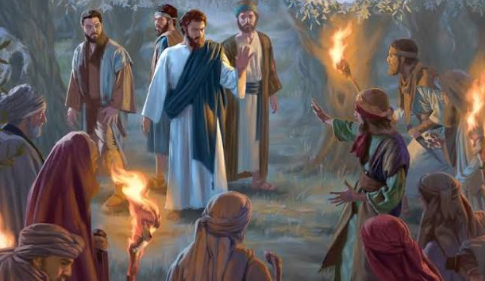
The arrest of Jesus is a significant event in Christian history with profound theological implications. This pivotal moment in the New Testament not only marked the beginning of Jesus’ trials but also highlighted the tensions between religious authority and messianic expectation.
1. Context of the Arrest
The events leading up to the arrest of Jesus took place during a tumultuous period in Jerusalem. Jesus had just celebrated Passover with his disciples and instituted the Last Supper, a pivotal moment for the Christian faith. His teachings and miracles had garnered a considerable following, yet they also attracted the attention and ire of the Jewish religious leaders and the Roman authorities who saw him as a threat to the status quo.
In the Garden of Gethsemane, where Jesus frequently retreated for prayer, he faced betrayal. Judas Iscariot, one of Jesus’ closest disciples, made a deal with the religious authorities to hand him over for thirty pieces of silver. This act of betrayal set the stage for a dramatic confrontation between Jesus and the Jewish leaders, culminating in his arrest.
-
- Understand the backdrop: Study the socio-political climate of Jerusalem at the time.
-
- Familiarize yourself with the key players: Identify major figures involved, including Judas, Peter, and the Sanhedrin.
-
- Reflect on Jesus’ teachings: Consider how his messages created conflict with religious authorities.
-
- Read the relevant Bible passages: Focus on the Gospels of Matthew, Mark, Luke, and John for different perspectives.
2. The Arrest of Jesus
The actual arrest occurred under the cover of night in the Garden of Gethsemane. Armed with swords and clubs, a group sent by the chief priests sought Jesus, guided by Judas who identified him with a kiss—a sign of betrayal that has resonated throughout history. Despite the chaotic circumstances, Jesus approached the situation with calmness and purpose, demonstrating his understanding of the path laid out before him.
When confronted, Jesus asked the arresting crowd, “Who do you seek?” Upon their response, he revealed his identity, leading to a moment where some fell backward in surprise. This moment not only underscores Jesus’ authority but also foreshadows the struggles that lay ahead as he willingly accepted his fate, knowing it was part of a divine plan.
-
- Pay attention to symbolism: Explore how the kiss of Judas symbolizes betrayal.
-
- Investigate the reactions of the disciples: Reflect on their fears and responses during the arrest.
-
- Consider Jesus’ reaction: Analyze his willingness to confront the authorities.
-
- Review various biblical accounts: Note the differences in how each Gospel presents the arrest.
3. Aftermath and Trials
The arrest of Jesus triggered a series of events leading to his trials, which are crucial for understanding both Jesus’ mission and the dynamics between religion and state. Following his arrest, Jesus was taken to the high priest Caiaphas, where he faced a mock trial filled with false accusations and deceitful testimonies. These proceedings highlight the lengths to which the religious authorities went to eliminate what they perceived as a threat.
Moreover, Jesus was subsequently brought before the Roman governor, Pontius Pilate, where the charges against him shifted from blasphemy to political insurrection, reflecting the complex interplay between local religious authority and Roman rule. Pilate’s reluctance to condemn Jesus showcases the political tension of the time, as he desired to appease the crowd while also questioning the validity of the charges laid against Jesus.
-
- Analyze the trials: Review how they align with Old Testament prophecies about the Messiah.
-
- Explore Pilate’s dilemma: Consider the political pressures he faced and his eventual decision.
-
- Examine the role of public opinion: Look at how the influence of the crowd shaped the events.
-
- Reflect on the significance of the trials: Understand their importance in the broader narrative of redemption.
The arrest of Jesus is not just a historical event; it marks a significant turning point in the Christian narrative. Through understanding the context, events, and aftermath of this moment, readers can grasp the impact it has on faith and history. For those interested in deepening their knowledge, engaging with biblical texts and commentaries can provide further insight.
As you reflect on this profound event, consider exploring its implications on your spiritual journey. Engage with others in discussions about faith, history, and morality, and contemplate what these events mean to you personally.