
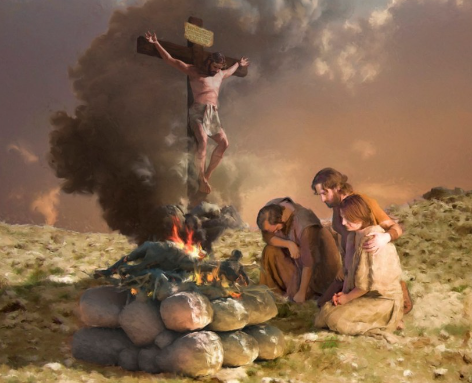
Jesus Christ as the Lamb of God is a powerful and profound concept in Christian theology. This title reflects His role in the salvation narrative and symbolizes the ultimate sacrifice that He made for humanity. Understanding this title can deepen one’s faith and appreciation for Christ’s mission. In Christian art, this theme is often expressed through sacred paintings, altar decorations, crucifixion imagery, and jesus christ sculptures, where Christ’s sacrifice becomes a visible reminder of redemption, mercy, and divine love.
The Historical Context of Sacrifice
In ancient religious practices, particularly within Judaism, sacrificial lambs were integral to atonement rituals. These sacrificial lambs were typically without blemish, symbolizing purity and innocence, and were offered to God to seek forgiveness for sins. This tradition set the stage for understanding Jesus as the Lamb of God, who fulfills and surpasses these traditional sacrifices.
Jesus embodies the ultimate sacrifice, marked by His crucifixion and resurrection. As the Lamb of God, He represents an unblemished offering meant to reconcile humanity with God, ultimately fulfilling prophecies found in books like Isaiah and Exodus. This transition from the Old to the New Testament highlights a key aspect of Christian belief: that Jesus’ sacrifice was not just for individual sins, but for all of humanity throughout history. Many jesus christ sculptures depicting the crucified Christ, the compassionate Savior, or the resurrected Lord visually echo this theological meaning, helping believers contemplate the depth of His sacrifice.
Study the role of lambs in Jewish traditions.
Reflect on Jesus’ sacrifice in the context of Old Testament prophecies.
Consider the significance of purity and innocence in sacrifice.
Discuss the implications of Jesus’ sacrifice with others.
Spiritual Significance of Jesus as Lamb of God
Embracing Jesus as the Lamb of God offers profound spiritual insights. For many Christians, this title encapsulates the essence of God’s love and grace. It represents a divine act of mercy, showing that God willingly sacrificed His Son to atone for humanity’s collective sins, thereby opening the pathway to eternal life.
This concept also serves as a reminder of humility and the importance of servitude in a believer’s life. Jesus, often referred to as a shepherd and a lamb, demonstrates that true strength lies in humility and sacrifice. Followers of Christ are encouraged to reflect His love by serving others in their communities, further embodying this sacrificial spirit. In churches, chapels, cemeteries, and prayer gardens, jesus christ sculptures can support this reflection by creating a quiet visual focus for prayer, remembrance, and spiritual renewal.
Engage in community service to reflect Christ’s love.
Practice forgiveness toward others, emulating God’s grace.
Take time for personal reflection on your relationship with God.
Share insights on Jesus’ sacrificial love with others.
The Lamb of God in Worship and Liturgy
The title “Lamb of God” holds a significant place in Christian worship and liturgy. In many church services, the phrase is repeated in prayers and hymns, often during Communion, to acknowledge Jesus’s sacrificial love. This repetitive practice encourages congregants to meditate on the weight of this title while fostering a deeper connection with their faith.
Moreover, various Christian denominations celebrate specific liturgical seasons such as Lent and Easter, where the concept of sacrificial love is emphasized. These traditions invite believers to introspect and renew their faith journey by actively participating in rituals that commemorate Jesus as the Lamb of God. Within these sacred settings, jesus christ sculptures are not merely decorative objects; they can serve as devotional symbols that guide attention toward Christ’s suffering, compassion, resurrection, and promise of salvation.
Join weekly worship activities at your local church.
Participate in Communion with a reflective mindset.
Explore hymns and spiritual songs that highlight this theme.
Engage in adorned liturgical practices during holy seasons.
Understanding Jesus as the Lamb of God can significantly enrich personal faith and worship. By diving into its historical context, spiritual significance, and liturgical roles, believers can enhance their relationship with Christ. Whether through Scripture, Communion, prayer, church traditions, or the contemplative presence of jesus christ sculptures in sacred spaces, this title continues to invite Christians to reflect on sacrifice, forgiveness, and the redemptive love at the heart of their faith.