
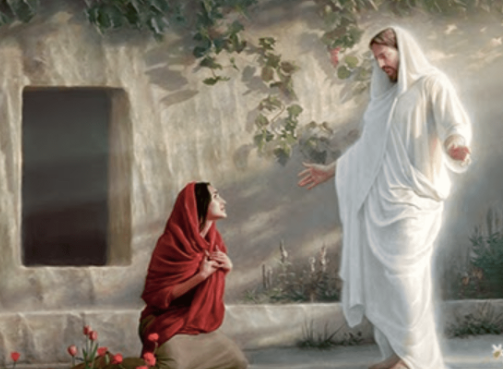
The resurrection of Jesus is a central event in Christianity, celebrated annually during Easter. It symbolizes hope, renewal, and the promise of eternal life, making it a cornerstone of Christian faith. Understanding the significance of this event can deepen one’s insight into Christian teachings and its impact on followers around the world.
1. Historical Context of the Resurrection
To appreciate the resurrection of Jesus, one must understand its historical context. Jesus of Nazareth was a Jewish teacher who lived during the first century in the regions of Galilee and Judea. His crucifixion by the Roman authorities was not just a religious act but also a political maneuver. The Jews at that time were in a complex sociopolitical situation, with Roman oppression and varying expectations about the coming Messiah.
The reports of Jesus’s resurrection took place within this turbulent setting. After Jesus was crucified, his followers faced immense fear and uncertainty. It was within just a few days that these same disciples were transformed; they claimed to have seen the risen Christ, which brought them hope and courage. Understanding this backdrop helps to appreciate why the resurrection event became a vital doctrine for early Christians.
-
- Research the sociopolitical landscape of Judea during the first century.
-
- Explore the various perspectives of different Jewish groups on messianic expectations.
-
- Read about the accounts of Jesus’s life from both Christian and historical texts.
-
- Reflect on how political context can shape religious beliefs and practices.
2. Theological Significance of the Resurrection
The resurrection of Jesus holds profound theological implications in Christianity. It’s often viewed as the ultimate confirmation of Jesus’s divinity and the truth of his teachings. According to Christian belief, through his resurrection, Jesus conquered death and sin, offering believers the promise of eternal life. This event is not just about physical revival; it’s about spiritual renewal and reconciliation with God.
Moreover, the resurrection is seen as God’s reaffirmation of the goodness of creation and humanity. By rising from the dead, Jesus embodies the hope of transformation and redemption. This has led to the development of various theological doctrines, such as justification and sanctification, which articulate how believers can have a relationship with God through Christ’s resurrection.
-
- Study the implications of the resurrection in Christian doctrine.
-
- Consider the relationship between resurrection and themes of hope and renewal.
-
- Attend theological discussions or seminars that focus on this subject.
-
- Engage with different interpretations of the resurrection across denominations.
3. Cultural Impact and Celebrations
The resurrection of Jesus has profoundly influenced cultural practices, arts, and traditions around the world. Easter, as the celebration of the resurrection, incorporates various customs, from church services to family gatherings and festive meals. Each culture adds its flavors to the celebration, making it a rich tapestry of traditions that reflect community and faith.
Moreover, the resurrection story has been an inspiration for countless works of art, literature, and music. From classical compositions to modern films, themes of resurrection continue to resonate, reflecting humanity’s enduring quest for hope and redemption. This ongoing cultural dialogue keeps the significance of the resurrection alive in contemporary society.
-
- Participate in local Easter celebrations and traditions.
-
- Explore artistic representations of the resurrection in museums or galleries.
-
- Engage with community events that focus on renewal or rebirth.
-
- Share the resurrection story with family and friends to foster a sense of connection.
4. Personal Reflection and Application
For many believers, the resurrection is not just a historical or theological concept but a personal reality. Reflecting on the resurrection allows individuals to consider its implications in their own lives. It serves as a source of comfort in difficult times, emphasizing that struggles and suffering can lead to renewal and growth. The idea that death is not the end can empower believers to live with purpose and hope.
Additionally, there are practical ways to embody the spirit of resurrection in daily life. This might involve pursuing personal growth, seeking forgiveness, or making efforts to heal broken relationships. By applying the principles derived from the resurrection story, individuals can experience a profound transformation that resonates with the core of their faith.
-
- Set personal goals reflecting the spirit of renewal and transformation.
-
- Engage in activities that promote healing and reconciliation.
-
- Practice gratitude as a way to celebrate the gift of life.
-
- Incorporate prayer or meditation focusing on themes of hope and resurrection.
The resurrection of Jesus continues to be a source of inspiration and meaning for countless individuals. By exploring its historical context, theological significance, and cultural impact, believers and seekers alike can enrich their understanding of this pivotal event. Whether through personal reflection or participation in community celebrations, embracing the essence of the resurrection can lead to a more profound and hopeful life.