
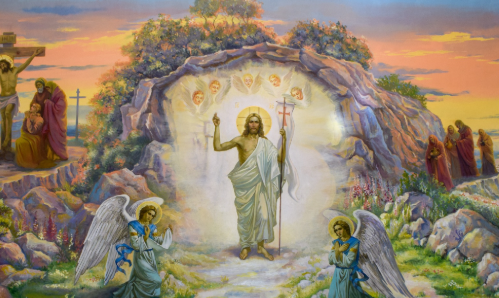
The Resurrection of Jesus Christ is one of the most pivotal events in Christian theology, acting as the cornerstone of Christian belief and faith. This miraculous event not only affirmed Jesus’ divinity, but it also provided hope and purpose to believers. Understanding the significance and implications of the Resurrection can deepen one’s faith and appreciation for its impact on humanity.
1. Historical Context of the Resurrection
The historical context in which the Resurrection occurred is vital for grasping its significance. Around 30 AD, Jesus, a Jewish preacher, was executed by crucifixion under Roman authority. His followers, known as disciples, faced confusion and hopelessness following his death. The Resurrection is said to have occurred three days later, radically transforming the disciples’ despair into fervent belief and mission. They began to proclaim Jesus’ teachings with renewed zeal and confidence.
This event did not happen in isolation but within a complex cultural and religious milieu. The Jewish tradition had messianic expectations, and many believed a Messiah would come to save them. Jesus’ Resurrection validated these hopes and provided a new understanding of salvation through suffering and resurrection. This shift in belief catalyzed the growth of early Christianity beyond its Jewish roots, shaping the world dramatically.
-
- Research the socio-political landscape of Judea during Roman rule.
-
- Understand the Jewish beliefs about the Messiah for better context.
-
- Examine the role of the Roman Empire in early Christianity.
-
- Look into historical accounts from non-Christian sources.
2. Theological Significance of the Resurrection
The Resurrection is foundational to Christian theology because it represents Jesus’ victory over sin and death. According to Christian belief, the Resurrection signifies that through He who overcame death, believers are also promised eternal life. This promises not just an afterlife but offers hope and empowerment in the present. The Resurrection is seen as God’s ultimate act of love, showcasing the depths of God’s grace and mercy towards humanity.
Moreover, the Resurrection affirms the belief in bodily resurrection for all believers, serving as the first fruits of what is to come. According to Christian doctrine, this event validates Jesus’ divine nature and his teachings, making it central to the Christian faith. Worship practices, from communion to Easter celebrations, are deeply rooted in the belief of the Resurrection, influencing how Christians live and practice their faith daily.
-
- Reflect on how the Resurrection impacts your daily life.
-
- Study Biblical passages that discuss resurrection themes.
-
- Join a study group to explore theological interpretations further.
-
- Participate in worship services, especially around Easter for a communal experience.
3. The Resurrection’s Impact on Culture and Society
The Resurrection of Jesus has had a profound influence on culture and society throughout history. It has inspired countless works of art, literature, music, and philosophy. Many of the greatest artists, from Michelangelo to Bach, drew inspiration from the themes of death, resurrection, and redemption, infusing society with a message of hope and salvation. This cultural impact extends beyond religion into the realms of ethics, social justice, and humanitarian efforts, often rooted in the teachings inspired by the Resurrection.
Furthermore, the Resurrection continues to shape modern discussions around life, death, and what lies beyond. Its message has contributed to the establishment of numerous charitable organizations and movements aimed at addressing social issues, underscoring the importance of hope and compassion in human interaction. The narrative of overcoming adversity, as seen in Christ’s Resurrection, remains relevant in the collective pursuit of a better world.
-
- Explore artistic representations of the Resurrection in various media.
-
- Discuss the societal implications of the Resurrection with peers.
-
- Engage in charitable activities that reflect the values of compassion and hope.
-
- Read literature that explores themes of resurrection in contemporary settings.
In conclusion, the Resurrection of Jesus Christ is rich with historical, theological, and cultural significance. Understanding the depths of this event can inspire more profound faith and a deeper appreciation for its lasting impact on our world. Consider taking steps to explore your own beliefs, engage in community discussions, or delve into further study to enrich your understanding.