
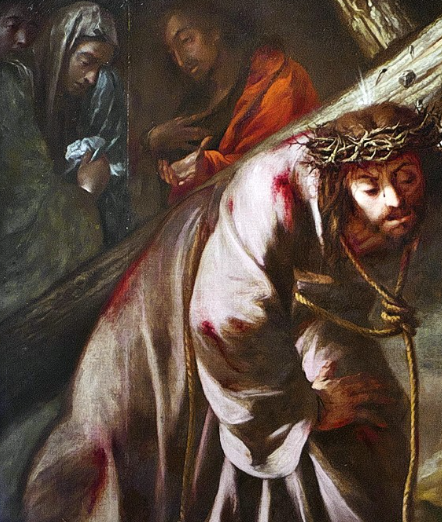
The sacrifice of Jesus is a foundational concept in Christianity, symbolizing love, redemption, and hope. Understanding the depth of His sacrifice helps believers appreciate its significance in their spiritual lives.
1. The Nature of Sacrifice
In the context of Jesus’ sacrifice, the term “sacrifice” refers to giving up something valuable for the sake of others. Jesus’ life, culminating in His crucifixion, represents the ultimate sacrifice; He gave His life to redeem humanity from sin. This concept is not new; throughout history, sacrifices were made for various reasons, such as seeking divine favor or atonement for wrongdoings.
In ancient religious practices, animals were often sacrificed as offerings to atone for sins. However, Jesus’ sacrifice was unique and profound—He was both God and man, and His death served as a one-time, perfect offering to fulfill the law and provide a pathway to eternal life. This aspect highlights the loving nature of God, who made such a sacrifice for humanity’s benefit.
-
- Reflect on what sacrifice means in various contexts.
-
- Recognize the historical significance of sacrifice in multiple cultures.
-
- Consider how personal sacrifices can lead to greater good.
-
- Explore ways to express gratitude for the sacrifices made by others.
2. Redemption through His Blood
One of the core beliefs surrounding Jesus’ sacrifice is the concept of redemption through His blood. Christians believe that His death on the cross atoned for the sins of humanity, offering forgiveness and a restored relationship with God. The idea is rooted in Biblical teachings, where blood symbolizes life and is often associated with covenants and forgiveness.
The notion of redemption means that, through faith in Jesus, individuals can be freed from the bondage of sin. This leads to spiritual freedom, allowing believers to lead a life aligned with their values and purpose. The sacrifice of Jesus is often referred to in communion, where believers partake in bread and wine as symbols of His body and blood, enabling them to reconnect with this fundamental aspect of their faith.
-
- Engage in a personal reflection on what redemption means to you.
-
- Participate in communal acts of worship to strengthen your understanding.
-
- Discuss the concept of forgiveness with someone you trust.
-
- Read the Bible passages that pertain to Jesus’ sacrifice and redemption.
3. The Impact of His Sacrifice on Believers
Jesus’ sacrifice has a profound impact on the lives of believers. It instills hope for eternal life, encouraging individuals to live with a greater purpose and sense of community. Knowing that Jesus overcame death allows many to confront their fears and challenges with renewed faith and resilience.
This transformative power extends beyond the individual; it encourages believers to practice love, compassion, and forgiveness in their own lives. By embodying the principles taught by Jesus, one can inspire others, creating a ripple effect that transcends personal relationships and influences broader communities. Believers often carry the message of love and forgiveness into their daily interactions, fostering a compassionate society.
-
- Reflect on how Jesus’ sacrifice can inspire your actions.
-
- Engage in community service to emulate the love shown by Jesus.
-
- Practice forgiveness in personal relationships to cultivate peace.
-
- Share your faith story with others to inspire hope.
In conclusion, Jesus’ sacrifice is rich with meaning, illustrating profound concepts like love, redemption, and community. Understanding the significance of this sacrifice can encourage personal reflection and inspire actions that align with these powerful principles. Consider exploring more about this topic through community discussions or personal study.