
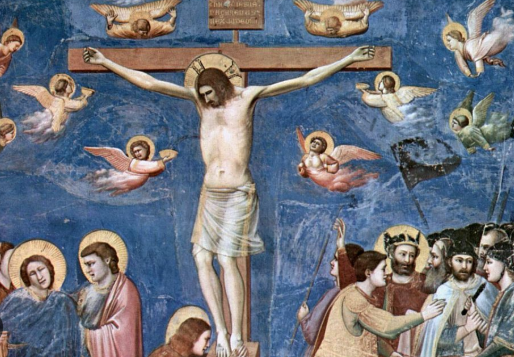
Understanding the significance of Jesus’ crucifixion can be profound for both believers and those questioning faith alike. This topic delves into the reasons behind Jesus’ sacrificial death and how it ties into the concept of sin and redemption.
1. The Concept of Sin in Christian Theology
In Christian theology, sin is seen as the disobedience against God, a breach of the divine laws. It originates from Adam and Eve’s defiance in the Garden of Eden, which is considered the first sin. This disobedience initiated an estrangement between humanity and God, reflecting a brokenness that everyone experiences on some level. Recognizing the pervasive nature of sin helps point toward the necessity of divine intervention for reconciliation.
The weight of sin is often described through the lens of guilt and separation from God. For believers, this sense of separation is profound, as it jeopardizes their relationship with the Creator. The idea that humans cannot bridge this gap on their own makes the role of Jesus as a mediator essential. The understanding that Jesus was sinless and perfect highlights why His sacrifice is considered unique and indispensable for salvation.
-
- Reflect on personal actions and their alignment with moral values.
-
- Study the biblical definitions of sin, focusing on passages like Romans 3:23.
-
- Participate in discussions on sin with friends or in a study group.
-
- Consider how sin affects personal lives and relationships with others.
-
- Seek understanding through prayer and contemplation.
2. The Sacrificial System in Ancient Israel
The sacrificial system in ancient Israel was a way for people to atone for their sins. Animals were offered as sacrifices to God as a means of appeasing divine justice. This practice was rooted in the belief that blood had redemptive power, where the sacrifice of an innocent being symbolically took on the guilt of the sinner. The Day of Atonement, Yom Kippur, is a key event where the high priest would offer sacrifices for the entire nation, signifying collective purification.
When Jesus came, many saw Him as the ultimate fulfillment of these sacrificial rites. According to Christian belief, His crucifixion ended the need for continual animal sacrifices, as He represented the ‘Lamb of God’ who took away the sins of the world. This transition emphasizes not just the finality of Jesus’ sacrifice, but also its universality—offering salvation to all who believe. Understanding this connection between the Old Testament practices and Jesus’ sacrifice deepens the appreciation of the New Covenant.
-
- Read the Book of Leviticus to understand sacrificial offerings.
-
- Investigate how Jesus’ role reshaped Old Testament practices.
-
- Engage in community discussions about the relevance of sacrifice today.
-
- Reflect on the implications of Jesus’ sacrifice for personal faith.
-
- Attend classes or workshops that address the significance of the atonement.
3. The Theological Significance of Jesus’ Death and Resurrection
Jesus’ death is not merely a historical event; it holds tremendous theological significance that reshapes the framework of Christian belief. It represents the ultimate act of love, where Jesus willingly sacrificed His life out of compassion for humanity. This sacrificial act serves as the cornerstone for understanding grace, reconciliation, and eternal life, making a profound impact on the faith journey of millions.
The resurrection that follows is equally important, as it underscores the victory over sin and death. Christians believe that through His resurrection, Jesus offers believers the promise of eternal life. This belief invites individuals to exercise faith beyond the tangible, cultivating spiritual resilience and hope. The death and resurrection of Jesus together form the bedrock of the gospel message, which proclaims that salvation is accessible and transformative.
-
- Explore personal beliefs about death and eternal life.
-
- Participate in celebratory observances like Easter to reinforce faith.
-
- Seek to understand the implications of the resurrection in daily living.
-
- Engage regularly in fellowship with other believers to foster growth.
-
- Study the New Testament, focusing on the accounts of the resurrection.
In conclusion, the death of Jesus for our sins embodies a transformative hope for believers and serves as an invitation to deepen one’s understanding of faith. Engaging with these various aspects can provide clarity and encourage believers to explore their spiritual journeys further. Embrace the opportunity for personal growth, reflection, and community engagement as you continue this exploration.