
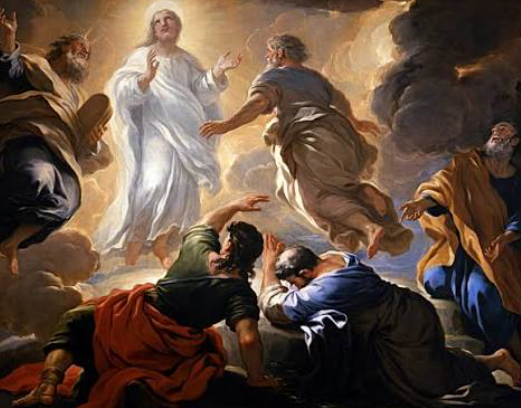
The Transfiguration of Jesus is one of the most significant events in the New Testament, offering a glimpse into his divine nature and fostering a deeper understanding of his mission on Earth. This moment not only holds theological significance but also provides profound insights for believers today. In this blog post, we will explore the meaning, significance, and implications of the Transfiguration of Jesus.
1. The Biblical Account of the Transfiguration
The Transfiguration occurs in the Gospels of Matthew, Mark, and Luke, describing a moment when Jesus takes Peter, James, and John up a high mountain. According to scripture, while they are on the mountain, Jesus is transfigured before them; his face shines like the sun and his clothes become as white as light. This event is not just a display of power but serves to confirm Jesus’ identity as the Son of God.
The presence of Moses and Elijah during this event is particularly noteworthy. Moses represents the Law, while Elijah signifies the Prophets, illustrating that Jesus is the fulfillment of both. This moment signals a divine endorsement of Jesus’ ministry and foreshadows his impending suffering and resurrection. The sheer magnitude of the transformation witnessed by the disciples emphasizes Jesus’ divine authority and establishes a powerful link between the Old and New Testament.
-
- Read the Gospel accounts: Matthew 17:1-9, Mark 9:2-8, and Luke 9:28-36.
-
- Reflect on the significance of Moses and Elijah’s appearance.
-
- Contemplate the implications of Jesus’ glowing transformation.
-
- Discuss the event with a friend to deepen your understanding.
2. The Theological Significance
The Transfiguration serves as a pivotal moment in Christian theology, illustrating Jesus’ dual nature as both fully human and fully divine. By revealing his divine identity, the Transfiguration reassures the disciples of Jesus’ mission and helps them understand the gravity of his role as the Messiah. This event prepares them for what lies ahead, particularly the suffering and persecution they would face following Jesus’ crucifixion.
Furthermore, the Transfiguration foreshadows the resurrection of Jesus. Just as Jesus was glorified on the mountaintop, believers are invited to share in that glory through faith in Christ. The event serves as a promise of transformation for all Christians, highlighting the hope of eternal life and the commitment to spiritual growth. This theological insight encourages individuals to seek spiritual enlightenment and transformation in their own lives.
-
- Study the dual nature of Christ: human and divine.
-
- Reflect on how the Transfiguration foreshadows the resurrection.
-
- Consider how this event impacts your personal faith journey.
-
- Engage with theological discussions in your community.
3. Lessons for Modern Believers
The Transfiguration offers several practical lessons for modern believers. It encourages us to acknowledge the divine presence in our lives and to remain open to experiencing moments of transformation. Just as the disciples witnessed the glory of Jesus, individuals today are called to seek the light of God in their lives, promoting a transformative faith that inspires love and service to others.
Moreover, the event teaches the importance of spiritual retreats and reflective practices. Jesus took the disciples away from everyday distractions to reveal something profound. Modern believers can benefit from setting aside time for prayer, meditation, or retreats to deepen their relationship with God. The stressors of daily life can often cause individuals to forget the transformative power of faith.
-
- Schedule regular quiet time for reflection and prayer.
-
- Consider joining a spiritual retreat to deepen your faith.
-
- Encourage others to seek their own moments of transformation.
-
- Document personal experiences of divine encounters.
In conclusion, the Transfiguration of Jesus provides a rich tapestry of theological concepts and practical applications for believers today. By understanding this event better, one can navigate their faith journey with greater purpose and insight. Consider taking the time to reflect on your own spiritual journey and open yourself to the transformative experiences that await you.