
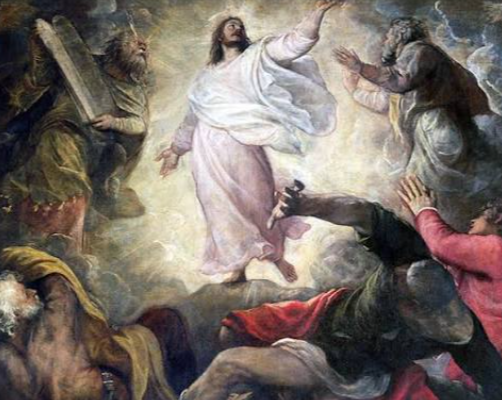
The Transfiguration of Jesus is one of the pivotal events recorded in the New Testament, illustrating the divine nature of Christ. This miraculous occurrence offers rich layers of meaning that can inspire and transform faith in today’s believers.
1. What is the Transfiguration?
The Transfiguration of Jesus is described in the Synoptic Gospels—Matthew, Mark, and Luke. This event took place on a high mountain, traditionally believed to be Mount Tabor or Mount Hermon. During this moment, Jesus appears in radiant glory, accompanied by Moses and Elijah, signifying the fulfillment of both the Law and the Prophets in Him.
This extraordinary transformation serves to reaffirm Jesus’ identity and mission as the Son of God. The voice of God is heard declaring, “This is my Son, whom I love; with him I am well pleased. Listen to him!” This divine endorsement emphasizes the authority of Jesus, affirming to His disciples that they should heed His teachings.
-
- Read the accounts of the Transfiguration in Matthew 17:1-9, Mark 9:2-8, or Luke 9:28-36.
-
- Reflect on the significance of Moses and Elijah being present during this event.
-
- Consider how this event impacts the understanding of Jesus’ divinity.
-
- Discuss the implications of God’s voice to the disciples with friends or in a study group.
2. Theological Significance of the Transfiguration
The Transfiguration is pivotal in understanding the nature of Christ and His mission on Earth. It acts as a bridge between Jesus’ earthly ministry and His future glory. For Christians, recognizing this moment is crucial for grasping the dual nature of Christ—fully divine and fully human. This mystery forms a cornerstone of Christian theology.
The appearance of Moses and Elijah highlights the continuity between the Old and New Testaments. It illustrates how Jesus completes the narrative of salvation history, linking Him to the great prophets and leaders of Israel. By experiencing this divine moment, the disciples received a glimpse of Jesus’ true nature, which was essential for fortifying their faith as they faced challenges after His crucifixion.
-
- Discuss the relationship between law (Moses) and prophecy (Elijah) in the context of Jesus’ message.
-
- Examine the transformative power of faith in light of the Transfiguration.
-
- Engage with community discussions about what this event teaches us today.
-
- Study the theological implications through prayer and scripture reading.
3. Lessons for Modern Believers
The Transfiguration is not merely an ancient event; it holds timeless lessons for contemporary followers of Christ. One key takeaway is the importance of spiritual transformation. Just as Jesus was transfigured, believers are called to undergo a metamorphosis in their own lives, allowing their faith to shape their actions and interactions with others.
Additionally, the experience of the disciples serves as a reminder that encountering the divine often requires a space away from daily distractions. Engaging in quiet reflection or prayer can create an environment where one can experience a deeper connection with God. This retreat from busyness is essential for spiritual renewal and growth.
-
- Set aside regular time for prayer and reflection.
-
- Create a tranquil environment for spiritual nurturing.
-
- Foster community support by sharing personal experiences of faith.
-
- Encourage others in their spiritual journey, emulating the disciples’ experience.
4. Celebrating the Transfiguration
The Feast of the Transfiguration is celebrated by many Christians on August 6th each year. This day commemorates the event and encourages believers to reflect on its significance through worship and community gatherings. Various churches may hold special services, incorporating readings, hymns, and prayers that resonate with the themes of divine light and transformation.
During this feast, many congregations take part in communal meals where stories of spiritual growth are shared. This practice helps to build a sense of community and collective faith, enriching the spiritual experience. Engaging in activities like retreats or workshops focused on the Transfiguration can also deepen a believer’s understanding and personal relationship with Christ.
-
- Participate in local church celebrations of the Transfiguration.
-
- Host or join gatherings that discuss personal faith journeys.
-
- Use this time to engage in acts of service within your community.
-
- Share insights from your understanding of the Gospel accounts.
The Transfiguration of Jesus is a rich source of inspiration and understanding for believers. By exploring its significance, lessons, and communal celebrations, you deepen your relationship with Christ and empower your spiritual journey. Take time to reflect on this event and consider ways you can integrate its teachings into your life.