
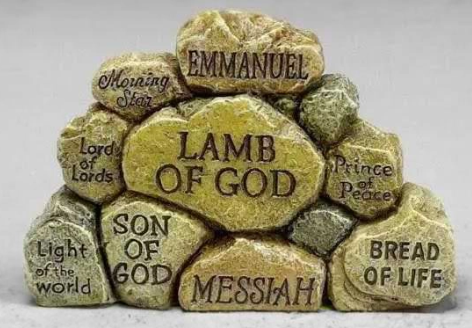
Exploring the names of Jesus Christ in the Bible reveals rich theological significance and a deeper understanding of His nature and mission. Each name encapsulates an aspect of His character, identity, or role in our lives. These names are not only studied in scripture and worship but are also expressed through Christian art, including paintings, stained glass, church decoration, and jesus christ sculpture, helping believers reflect on Christ’s presence in a more visual and devotional way.
Jesus
The name “Jesus” is derived from the Hebrew name “Yeshua,” which means “Yahweh is salvation.” This name is central to Christians as it embodies the core of His mission on Earth—to save humanity from sin. In Matthew 1:21, the angel instructs Joseph to name Mary’s child Jesus, highlighting His purpose in the world.
In addition to its salvational meaning, the name Jesus also reflects the intimate relationship believers can have with Him. When we call upon His name, we acknowledge our need for His grace and recognize Him as our Savior. This connection emphasizes not just a figure in history but a living presence in the lives of believers. A jesus christ sculpture placed in a church, chapel, or prayer room can serve as a quiet reminder of this saving name and the personal relationship believers seek with Him.
Reflect on the meaning of Jesus’ name in personal prayers.
Use His name in worship songs to deepen your relationship.
Study the Gospel narratives where His name is mentioned for insights.
Share the significance of His name with friends and family.
Emmanuel
“Emmanuel” translates to “God with us.” This name appears in the prophecy of Isaiah (Isaiah 7:14) and is reiterated in the New Testament (Matthew 1:23). Its significance lies in the concept that God took on human form, illustrating His immeasurable love for humanity and His desire to be close to us.
The idea of God being with us provides comfort, especially during challenging times. Believers can find solace in understanding that Christ is always present in their lives, guiding and supporting them through struggles. This intimacy encourages a sense of belonging and community among followers of Christ, who can share in the fellowship of His presence. In sacred spaces, a jesus christ sculpture can visually express this closeness, reminding people that Christ is not distant, but present with them in prayer, worship, and daily life.
Practice mindfulness by acknowledging God’s presence in daily life.
Engage in community activities to experience the body of Christ.
Journal about moments when you felt God’s presence in your life.
Reach out to others who may need reassurance of His presence.
The Lamb of God
The title “Lamb of God” appears prominently in John 1:29, where John the Baptist declares Jesus as the one who will take away the sins of the world. This name symbolizes Jesus’ role as the ultimate sacrifice, fulfilling the sacrificial system established in the Old Testament where lambs were offered for sin atonement.
This name also brings forward themes of innocence and purity. In making the ultimate sacrifice, Jesus exemplifies profound love and obedience to God’s will. Understanding Jesus as the Lamb of God deepens one’s appreciation of the sacrificial nature of His mission and motivates believers to live according to His teachings and example. A jesus christ sculpture depicting the crucified Christ or the compassionate Savior can help believers meditate on sacrifice, forgiveness, and redemption in a tangible way.
Attend communion services to reflect on His sacrifice.
Study Old Testament sacrifices for background on this title.
Share insights on Jesus’ role as the Lamb in small group discussions.
Engage in acts of service to honor His selflessness.
The Good Shepherd
In John 10:11, Jesus identifies Himself as “The Good Shepherd,” emphasizing His protective and guiding role in the believers’ lives. This metaphor illustrates His willingness to lay down His life for the sheep, offering a sense of security and care to His followers, likening them to sheep in need of a shepherd’s guidance.
The Good Shepherd also represents Jesus’ authority and commitment to leading His flock through life’s trials. He not only guides but also nurtures and provides for their needs, understanding their struggles. Recognizing Him as the Good Shepherd encourages believers to trust in His wisdom and direction, fostering a genuine relationship based on dependence and faith. In churches, cemeteries, gardens, and devotional corners, a jesus christ sculpture with a gentle or protective posture can reflect this shepherding care and create a peaceful focus for reflection.
Spend time in prayer, asking for guidance in decisions.
Read Psalms 23, reflecting on His shepherding qualities.
Discuss how to apply His guidance in everyday situations.
Don’t hesitate to seek support when feeling lost or confused.
The Alpha and Omega
The titles “Alpha and Omega,” found in Revelation 1:8, speak to the eternal nature of Christ. Alpha is the first letter of the Greek alphabet, and Omega is the last, denoting that Jesus encompasses all time and existence. This reveals Jesus’ sovereignty and completeness, emphasizing that He is involved in every aspect of life from beginning to end.
This name reassures believers that they can rely on Jesus through all circumstances. Whether in joyous or challenging times, understanding Him as the Alpha and Omega provides a profound sense of peace, with the knowledge that He has a purpose and plan for each phase of life. This recognition can inspire faith and hope for the future. A jesus christ sculpture in a sacred or memorial setting can also symbolize this eternal presence, reminding believers that Christ remains constant through every season of life.
Memorize Revelation 1:8 to reinforce His eternal nature.
Consider what it means for Jesus to be involved in your past, present, and future.
Share testimonies of His faithfulness over time.
Engage in discussions about His sovereignty over history.
In conclusion, understanding the different names of Jesus Christ in the Bible helps believers recognize the multifaceted aspects of His character and mission. Each name provides unique insights into our relationship with Him. Through scripture study, prayer, worship, community reflection, and the contemplative presence of a jesus christ sculpture in a sacred space, believers can deepen their faith journey and gain a fuller understanding of Christ’s identity, love, and eternal purpose.