
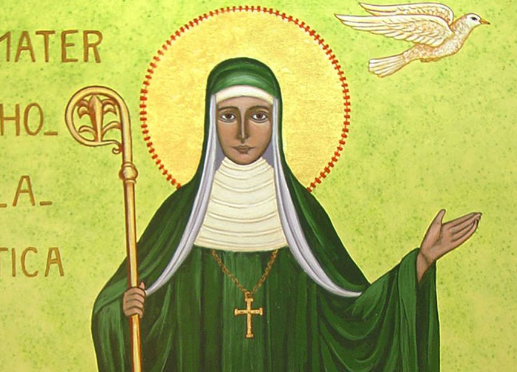
Saint Scholastica, the twin sister of Saint Benedict, played a vital role in the establishment of monastic life in the early Christian church. Her influence is still felt today, and understanding her contributions can provide valuable insights into the origins of monasticism, spirituality, and community living.
The Life and Legacy of Saint Scholastica
Born around 480 AD in Nursia, Italy, Scholastica devoted her life to God from a young age. While her brother Benedict is recognized for founding the Benedictine order, Scholastica’s role as a monastic leader cannot be overlooked. She established a convent in Plombariola, near her brother’s monastery at Monte Cassino. This convent was notable for its focus on the spiritual and communal aspects of monastic life, emphasizing prayer, study, and hospitality. Scholastica’s teachings and practices laid the groundwork for many female monastic communities that followed, showcasing her dedication to serving God and fostering female discipleship.
Women in Monastic Life: Scholastica’s Impact
Saint Scholastica’s contributions were crucial in a time when the role of women in the church was often marginalized. She provided a model for women seeking spiritual fulfillment outside of traditional societal roles. Her convent adopted the Rule of Saint Benedict, promoting a balanced life of prayer and work, tailored for women. This approach not only enriched the women’s spiritual lives but also established a sense of community and shared responsibility. By creating a nurturing environment for female monastics, Scholastica demonstrated that women could lead and thrive in spiritual leadership roles, paving the way for future generations of women in religious life.
The Spiritual Legacy of Saint Scholastica
Saint Scholastica is often remembered for her deep spirituality and commitment to prayer. Legend has it that during a final visit with her brother, she prayed for a storm to prevent him from leaving, allowing them to engage in a longer conversation about spiritual matters. This story highlights her fervent dedication and the power of prayer. Her spiritual legacy continues to inspire countless individuals seeking a deeper connection with God. Today, she is venerated as the patron saint of nuns and convulsive children, illustrating her lasting impact on various aspects of spirituality.
Conclusion
Saint Scholastica’s life and teachings offer profound insights into the early days of Christian monasticism and the role of women within it. Her story is a testament to the power of faith, community, and leadership. If you’re interested in learning more about Saint Scholastica or the history of monastic life, consider exploring additional resources or visiting a monastery to experience this unique lifestyle firsthand.