
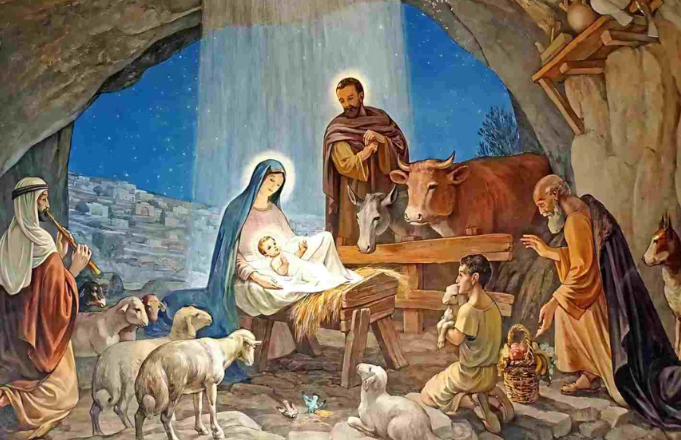
The Virgin Birth of Jesus Christ is one of the most debated and significant events in Christian theology. This doctrine, which holds that Jesus was conceived by the Holy Spirit and born of the Virgin Mary, has profound implications for faith and understanding of the nature of Christ. In this post, we’ll explore its biblical foundations, theological importance, and historical perspectives.
1. Biblical Foundations of the Virgin Birth
The concept of the Virgin Birth is found in the New Testament Gospels, primarily within the accounts of Matthew and Luke. Both narratives emphasize Mary’s virginity, providing a clear assertion that Jesus was conceived not through human means but by divine intervention. For instance, in Matthew 1:23, the angel announces the fulfillment of the prophecy from Isaiah, which states, “The virgin will conceive and give birth to a son, and they will call him Immanuel.” This explicitly links the Virgin Birth to messianic prophecy, establishing a foundation for Christ’s divine identity.
Additionally, the Gospel of Luke offers a detailed portrayal of the Annunciation, where the angel Gabriel tells Mary she will bear a son while remaining a virgin. This event underscores the miraculous nature of Jesus’ conception, affirming the belief that Jesus is both fully divine and fully human. The theological implications of these accounts have led to significant discourse regarding the nature of Christ and the relationship between God and humanity.
-
- Read the biblical passages from Matthew 1:18-25 and Luke 1:26-38.
-
- Reflect on the significance of virginity in spiritual contexts.
-
- Consider how the Virgin Birth contributes to Christ’s identity in your beliefs.
-
- Engage with various theological interpretations from different scholars.
2. Theological Importance of the Virgin Birth
The Virgin Birth carries immense theological weight, stressing the belief in Jesus’ divine origin. The idea that his conception is a direct work of the Holy Spirit speaks to the Christian doctrine of the Trinity. This event signifies that Jesus is not just a prophet or teacher; he is the Son of God. The church fathers, such as Ignatius of Antioch and Athanasius, have emphasized how the Virgin Birth affirms the nature of Jesus as divine and serves as a critical element in the understanding of salvation.
Furthermore, the Virgin Birth implies that Jesus is sinless and untouched by the fallen human nature inherited from Adam. This concept is often referred to as the doctrine of Original Sin, which posits that all human beings inherit a sinful nature due to the fall. Since Jesus did not have an earthly father, his birth represents a new beginning, a new Adam whose life and sacrifice offer redemption to humanity. This idea has been central to various theological discussions and liturgical practices within Christianity.
-
- Study commentaries that focus on the Virgin Birth within theological contexts.
-
- Participate in discussions with theologians or faith leaders.
-
- Explore how the Virgin Birth influences Christian worship and teachings.
-
- Investigate the connection between the Virgin Birth and other miraculous events in the Bible.
3. Historical Perspectives on the Virgin Birth
Throughout Christian history, the Virgin Birth has been a point of contention and affirmation among different groups. Early church fathers debated its significance, especially in contexts of heresy and orthodoxy. The Council of Nicea in 325 AD reaffirmed the doctrine, emphasizing its importance in defining Christian beliefs about the nature of Jesus. Over the centuries, various reformers like Martin Luther maintained the necessity of the Virgin Birth, making it a cornerstone of Christian orthodoxy that endures to this day.
Moreover, outside of traditional Christianity, some non-Christian religions acknowledge the Virgin Birth as well, seeing it as a symbol of purity or divine favor. This comparative perspective highlights the broader cultural implications of the belief, affecting not just theology but philosophies in art, literature, and morality that emphasize concepts of miraculous birth and divine intervention.
-
- Research different historical contexts in which the Virgin Birth was debated.
-
- Explore how various sects within Christianity view the Virgin Birth.
-
- Investigate how the Virgin Birth is represented in art and literature through history.
-
- Reflect on personal beliefs and how historical perspectives impact them.
In conclusion, the Virgin Birth of Jesus Christ remains a critical topic for study and reflection within Christianity. By understanding its biblical foundations, its profound theological significance, and its historical perspectives, one can deepen their faith and engage more thoughtfully with these teachings. Whether you are eager to discuss this topic further, read scholarly works, or simply reflect on its implications, consider taking the next step in your exploration of this significant doctrine.