
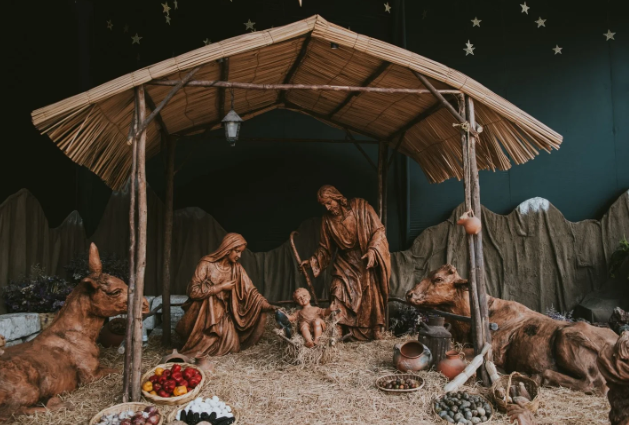
The birthplace of Jesus, Bethlehem, holds significant meaning in Christian teachings and traditions. Understanding why Jesus was born in this small town can deepen our appreciation of his life and the historical context of his time.
1. Historical Context of Bethlehem
During the time of Jesus’ birth, Bethlehem was known as a humble town located just south of Jerusalem. It was the birthplace of King David, making it a significant site for Jewish history and prophecy. The Old Testament, particularly in the book of Micah, foretold that the Messiah would come from Bethlehem, establishing a spiritual link that Christians believe is fulfilled in the birth of Jesus.
Furthermore, Bethlehem was quite small, housing around 300 to 1,000 residents. This modest size contrasts sharply with Jerusalem, which was bustling with life and activity. The simplicity of Bethlehem highlights the humble beginnings of Jesus, echoing the theme of servitude and humility that characterize his teachings later in life.
-
- Explore Biblical prophecies concerning Bethlehem.
-
- Learn about the significance of King David’s lineage.
-
- Visit Bethlehem to appreciate its historical atmosphere.
-
- Read the book of Micah for original prophecies.
2. The Role of Roman Taxes
Another significant reason for Jesus’ birth in Bethlehem is linked to the Roman Empire’s taxation policies. Around 6 A.D., Caesar Augustus implemented a census that required individuals to return to their ancestral hometowns for registration. This mandate forced Mary and Joseph, who were living in Nazareth, to travel approximately 70 miles to Bethlehem for Joseph’s registration as a descendant of David.
This journey exemplifies the difficulties faced by Mary and Joseph. While the census was a political maneuver by the Romans, it inadvertently set the stage for the fulfillment of the prophecy regarding Jesus’ birth place. The arduous journey reflects the hardships that Jesus and his family faced early in their lives, hearkening to the later struggles he would encounter during his ministry.
-
- Understand the implications of Roman governance on daily life.
-
- Research historical accounts of the Roman census.
-
- Track the journey that Mary and Joseph would have taken.
-
- Learn about other historical figures affected by the Roman laws.
3. Spiritual Significance of Bethlehem
Christian teachings often assign deep spiritual significance to Jesus’ birthplace. Bethlehem, which means “House of Bread,” symbolizes nourishment and sustenance, reflecting Jesus’ later role as the “Bread of Life.” In a spiritual context, his birth in Bethlehem emphasizes themes of humility, simplicity, and the divine intervention in everyday life.
This connection to nourishment is not just about physical sustenance; it extends to spiritual nourishment as well. Christians believe that Jesus came to provide spiritual fulfillment and redemption. By being born in such an unassuming setting, the message of Jesus becomes accessible to everyone, regardless of social status.
-
- Reflect on the significance of home and belonging.
-
- Engage in discussions about the symbolism of bread in Christianity.
-
- Explore how Jesus’ teachings relate to humility and service.
-
- Seek out local charities that embody these values in action.
In conclusion, understanding the reasons behind Jesus’ birth in Bethlehem enriches our spiritual journeys and enhances our connection to historical events. As you reflect on these insights, consider deepening your understanding of Jesus’ life and teachings through further study and exploration.