
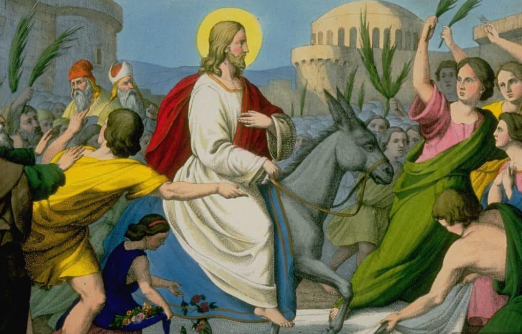
The symbolism of the donkey in relation to Jesus’ triumphal entry into Jerusalem is a rich and revealing subject. This event is marked by profound layers of meaning that can deepen our understanding of Jesus’ message and mission. By exploring why Jesus chose to enter the city on a donkey, we can gain insights into his identity and the nature of his kingship.
Understanding Biblical Prophecy
The choice of a donkey aligns with Zechariah 9:9, which proclaims, “See, your king comes to you, righteous and having salvation, gentle and riding on a donkey.” This prophetic background sets the tone for Jesus’ entry as one that fulfills ancient scripture. Rather than a war horse, which would symbolize power and conquest, the donkey represents humility and peace. This choice signals Jesus’ intention to redefine what it means to be a king in a world that often values triumph through might.
The Message of Peace
Jesus’ entry on a donkey communicates a strong message of peace. In a time and place where leaders were often associated with violence and domination, Jesus models a different kind of authority. By choosing such a humble animal, he emphasizes that his kingdom is not about force but about reconciliation and love. The crowds waving palm branches saw him as a Messiah who came to deliver them from oppression, but his method of entry hinted at a much deeper, more spiritual liberation, one that transcends mere political freedom.
Cultural Context and Reception
In the cultural context of ancient Jerusalem, the donkey was a familiar and significant animal. It was often associated with service and burden-bearing, symbolizing a leader who is approachable and relatable. When Jesus rode into the city, the people laid down their cloaks and shouted praises, seeing him as a savior. However, their understanding of what salvation looked like may have been limited to earthly expectations. This moment forced them—and us—to reconsider what kind of king Jesus is and the nature of the kingdom he invites us into.
In conclusion, Jesus’ triumphal entry into Jerusalem on a donkey serves as a powerful symbol of peace, humility, and a king who overturns earthly expectations. It invites all of us to reflect on our understanding of leadership and how we can emulate Jesus in our lives. For those looking to dive deeper into the layers of meaning in biblical events, exploring the context and symbolism can be both enlightening and inspirational. Consider taking the next step by reading the Gospels or engaging in community discussions to enrich your understanding of these profound themes.