
1. The Faith Significance of the Feast of the Holy Family
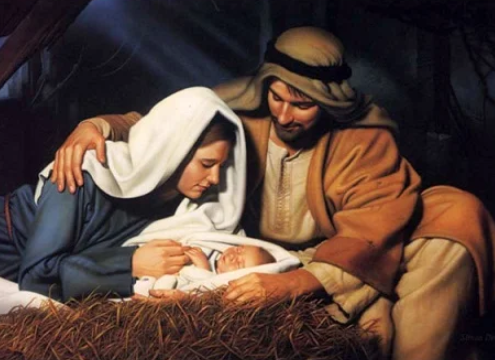
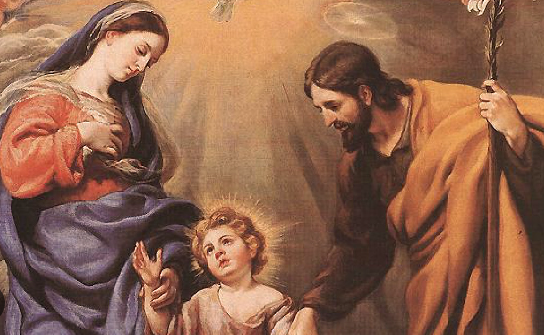
In the Church calendar, the Feast of the Holy Family reminds believers to contemplate the Holy Family of Jesus, Mary, and Joseph. This feast is not only a commemoration of a historical family but also a call to all Christian families: to live out their faith in daily life. The Holy Family is not an idealized figure detached from reality; they too experienced poverty, migration, and uncertainty, but it was precisely in these circumstances that they responded to God’s will with trust and obedience. Therefore, the Feast of the Holy Family leads us to reflect: true family holiness lies not in the absence of difficulties, but in loving one another and relying on the Lord together even in hardship.
2. Love and Obedience in the Family
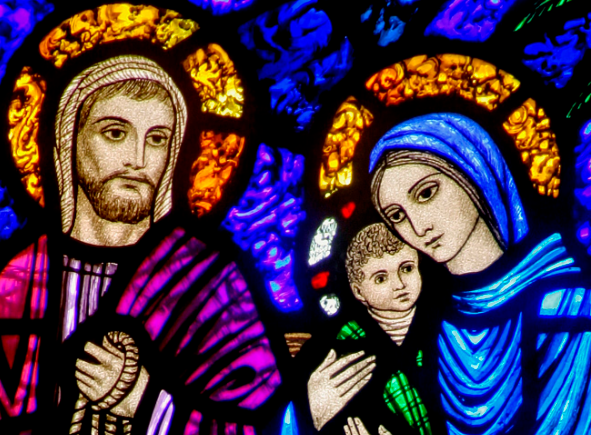
The Holy Family relationship presented in the Gospels is a harmonious relationship full of order and love. Mary responded to God’s call with humility, Joseph took responsibility through action, and Jesus obeyed his parents as he grew. This mutually supportive relationship offers important spiritual revelation for modern families. In today’s society, family structures and values are constantly evolving, but the core values embodied in the Holy Family—love, responsibility, and trust—remain an unshakable foundation.
When family members are willing to listen to and support one another, the family becomes a space for nurturing faith and character. Just as the holy family sculptures displayed in many churches evoke this serene and steadfast love through concrete imagery, they also remind us that the family itself is a living “icon,” witnessing God’s presence.
3. Living a Holy Family in Reality
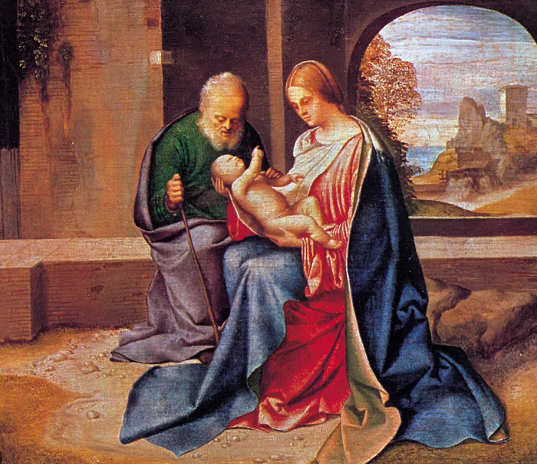
The Holy Family is not an unattainable ideal, but a model to emulate. Today’s Christian families may face challenges such as economic pressures, communication difficulties, or a decline in faith, but it is precisely in these realities that faith becomes real and powerful.
First, prayer is central to family unity. Whether it’s a brief pre-meal prayer or a regular family devotional, it helps family members connect their lives with their faith. Second, forgiveness is a vital force in maintaining relationships. No conflict was recorded in the Holy Family, yet their lives still required mutual understanding, which is especially important for families today. Finally, serving others is an extension of the family’s faith. When a family is willing to care for its neighbors and participate in church or community service, they live out the spirit of the Holy Family.
4. The Feast of the Holy Family’s Call to Contemporary Society
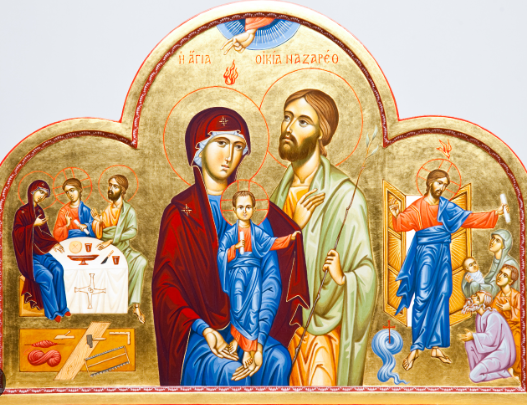
In an era that emphasizes individualism and efficiency, families are often marginalized, even seen as a burden. However, the Feast of the Holy Family reminds us that the family is where people first learn to love and is the most basic unit of society. A healthy society is inevitably built upon stable and loving families.
What the Holy Family demonstrates is not grand, spectacular achievements, but day-to-day loyalty and companionship. This seemingly ordinary life is the most profound testimony. The Feast of the Holy Family invites us to re-examine the value of family: to make time for one another amidst our busy lives, to choose understanding in disagreements, and to support one another in times of weakness.
When we live with this attitude, every family can become light and salt in the world, just like the Holy Family, revealing the sacred in the ordinary.