
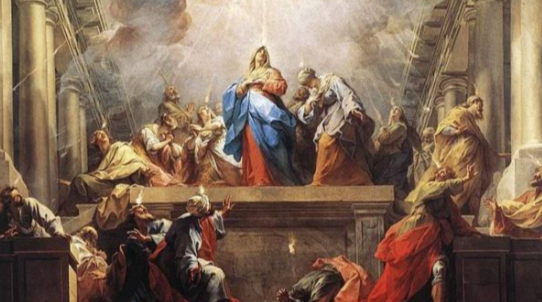
The Day That Transformed Faith: How Pentecost Reshaped the Early Church
Pentecost is more than just a historical event; it marked a spiritual revolution in the early Christian church. On this day, the disciples experienced the powerful presence of the Holy Spirit, igniting a movement that would forever change the landscape of Christianity. Understanding Pentecost is crucial for grasping the roots of Christian faith and community.
The Holy Spirit’s Arrival
One of the most significant aspects of Pentecost is the arrival of the Holy Spirit, which empowered the apostles to speak in various languages. This miraculous event allowed them to communicate the message of Jesus to a diverse crowd in Jerusalem. The experience was transformative not only for the disciples but also for the thousands who gathered to hear them preach. The Holy Spirit served as an awakening force, instilling boldness and clarity in the apostles, enabling them to convey their faith with newfound confidence and passion.
Unifying Diverse Communities
Pentecost highlighted the inclusivity of the Christian message. As the apostles spoke in different tongues, people from many backgrounds and cultures felt welcomed into the faith. This unifying experience broke down ethnic and cultural barriers, demonstrating that the message of Jesus was for everyone, regardless of their background. This fundamental shift fostered a sense of community among early Christians, creating a church where diversity was celebrated rather than feared, which continues to resonate in churches around the world today.
The Birth of the Church
More than just an event, Pentecost signified the birth of the early church. The Spirit’s outpouring motivated the apostles to take immediate action, leading to the first public proclamation of the Gospel. Peter, once timid, boldly preached to the crowd, resulting in about 3,000 people being baptized that day. This monumental moment established the foundation for communal worship, teaching, and fellowship, setting the stage for the growth of Christianity. It was the catalyst for a movement that would spread the teachings of Jesus across continents.
Conclusion
Pentecost is a pivotal moment in Christian history that led to the transformation of the early church. The arrival of the Holy Spirit not only empowered the apostles but also united diverse communities and laid the groundwork for a global faith. To understand the depth of Christian teachings and practices, one should explore the significance of Pentecost further. Dive into the stories and teachings of the early church and discover how these foundational experiences continue to influence modern Christianity today.