
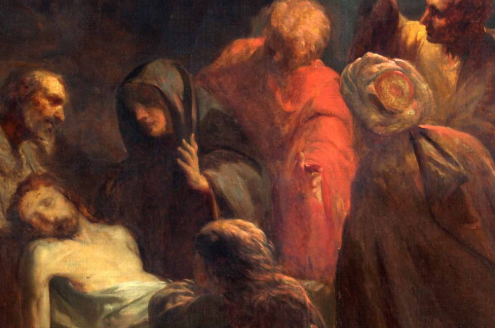
The burial of Jesus is a pivotal event in Christian theology, symbolizing themes of sacrifice, redemption, and hope. Various accounts of His burial provide insights into the practices of the time and the significance of the event within the context of the resurrection. This blog post will explore key aspects of Jesus’ burial from historical, cultural, and theological perspectives.
1. Historical Context of Jesus’ Burial
Understanding the burial of Jesus requires an exploration of the historical context surrounding His life and death. In first-century Judea, burials usually occurred soon after death, reflecting their cultural and religious beliefs. Family tombs were commonly used, and burial practices varied among different socio-economic groups; wealthier families had more elaborate graves, often consisting of rock-cut chambers.
Jesus was buried shortly after His crucifixion on Friday, just before the Sabbath, which posed additional urgency. His body was taken down from the cross and wrapped in linen cloth with spices, a Jewish tradition aimed at honoring the deceased. The grave in which He was laid belongs to Joseph of Arimathea, a member of the Sanhedrin who had become a secret follower of Jesus. This action illustrates the risks he was willing to take for his beliefs.
-
- Learn about burial customs in first-century Judea.
-
- Understand the significance of family tombs in that era.
-
- Explore the role of wealthy individuals like Joseph of Arimathea.
-
- Research the Jewish practices around death and burial.
2. The Role of the Tomb
The tomb where Jesus was buried holds significant theological implications for Christians. It was a newly hewn tomb, which had never been used before, indicating the unique nature of Jesus’ burial. This detail aligns with prophetic writings in the Old Testament, suggesting that He would be buried in a way that defied typical practices and highlighted His divinity.
This tomb also plays a crucial role in the resurrection narrative, as it was later discovered to be empty. The empty tomb is vital in establishing the resurrection’s credibility, serving as the foundation for Christian faith. Without this event, the core message of Christianity could not exist—His resurrection validates His teachings and promises of eternal life.
-
- Reflect on the significance of an unused tomb.
-
- Consider the implications of the empty tomb on faith.
-
- Study prophetic writings that relate to Jesus’ burial and resurrection.
-
- Examine the role of the tomb in the overall narrative of the Gospels.
3. Theological Significance of Jesus’ Burial
From a theological standpoint, the burial of Jesus holds profound implications for Christians. The act of burying Jesus is often viewed as essential to the mystery of the Incarnation. It symbolizes the complete human experience of Jesus – including suffering, death, and burial – emphasizing His role as the Savior who would share in humanity’s struggles.
Theologically, the burial also reinforces the concept of vicarious atonement, where Jesus bears the sins of humanity. By undergoing death and burial, He fulfills the sacrificial system established in the Old Testament, providing a spiritual pathway for believers to attain salvation. Thus, His burial is not just an end but a necessary precursor to the resurrection and the promises of eternal life.
-
- Explore the concept of vicarious atonement in Christian theology.
-
- Debate the implications of Jesus’ human experiences, including death.
-
- Investigate Old Testament sacrifices and their connection to Jesus’ burial.
-
- Discuss how burial contributes to the overall Christian narrative.
In conclusion, the burial of Jesus is a multifaceted event that encapsulates rich historical, cultural, and theological dimensions. By delving into its significance, individuals can better appreciate the profound impact this event has had on Christian faith throughout the ages. Readers are encouraged to explore these themes further, whether through study, discussion, or personal meditation on their spiritual journey.